

In the world of sales, closing a deal is just the beginning. The real challenge and opportunity lie in building lasting relationships that go beyond the pitch. Sales networking strategies, customer loyalty programs, after‑sales support impact, and personalizing the sales experience are all essential components of a successful sales process that focuses on long-term client retention.
In this article, we’ll explore how the power of connection can transform your sales approach, boost your sales performance, and foster customer loyalty.
Building Client Relationships In Sales
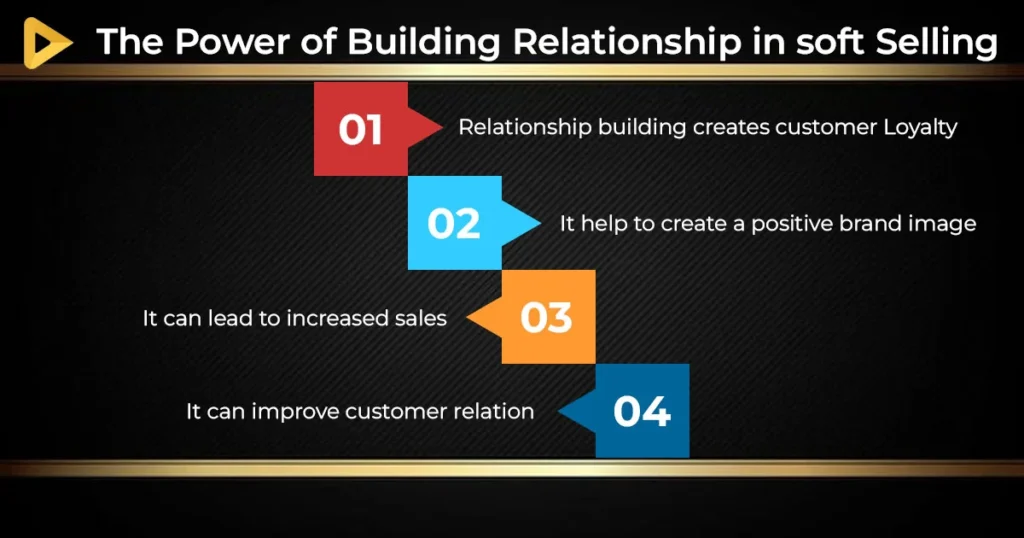
When it comes to building client relationships in sales, it’s not enough to focus on just making the sale. True success in sales comes from establishing trust, providing value, and nurturing the relationship well after the transaction is complete. The foundation of this approach lies in relationship‑driven selling strategies that prioritize the client’s long-term needs over short-term gains.
A relationship‑driven approach shifts the focus from simply pushing a product to understanding the customer’s challenges, goals, and how your offering can help them achieve success. This method leads to repeat business, higher customer satisfaction, and a more sustainable sales pipeline.
Master Sales Networking Strategies
At Premier Business Press, unlock the secrets to building strong client connections through proven sales networking strategies.
Explore Our Sales Networking Resources Now!Sales Networking Strategies
Effective sales networking strategies are key to building meaningful, lasting relationships with your clients. Networking is not just about attending events or collecting business cards; it’s about establishing genuine connections that continue beyond the first conversation. Explore more at our Complete Business Library.
- Value First: The most effective way to network is by offering value before asking for something in return. Whether it’s through sharing relevant articles, providing valuable insights, or connecting clients to others in your network, always lead with value.
- Personalized Communication: In the age of digital communication, it’s easy to forget the personal touch. Take the time to understand your client’s goals and challenges, and tailor your outreach to address their specific needs. Personalized sales outreach techniques can significantly enhance the quality of your interactions.
- Strategic Follow-ups: Follow-up calls or emails shouldn’t just be about checking in. Offer additional insights, provide updates, or ask insightful questions that demonstrate your investment in the client’s success.
Customer Loyalty Programs
One of the most potent tools in customer retention through personalized service is the implementation of customer loyalty programs. A well-designed loyalty program doesn’t just reward purchases; it reinforces your ongoing relationship with customers by offering real value and showing them they’re appreciated.
When creating a loyalty program design for customer success, think beyond discounts. Offer exclusive access, early product releases, personalized rewards based on customer data, and experiences that align with your client’s interests and needs.
Customer Loyalty Programs for Success
Transform your business by learning how to build customer loyalty programs that keep your clients coming back for more.
Start Building Your Loyalty Program Today!The After-Sales Support Impact On Customer Loyalty
After the sale, the next phase of the relationship begins. After‑sales support plays a crucial role in nurturing client relationships post‑purchase and ensuring long-term satisfaction. It’s an opportunity to exceed expectations and demonstrate your commitment to the customer’s success.
Adequate after‑sales support has an impact on customer loyalty, including:
- Proactive check-ins to ensure satisfaction with the product or service.
- Offering troubleshooting assistance or addressing issues quickly and efficiently.
- Providing value-added resources like guides, tutorials, or additional services.
This ongoing support doesn’t just retain clients; it encourages them to advocate for your brand, refer others, and come back when they need further assistance.
Personalizing The Sales Experience
To truly engage with your clients and build a lasting relationship, personalizing the sales experience is crucial. Each client is unique, and their needs should be addressed in a way that feels individual and meaningful.
- Data-Driven Personalization: Use customer data to personalize your communications and offers. Show your clients that you understand their needs by tailoring solutions to their specific challenges.
- Customized Proposals and Solutions: Rather than offering a generic pitch, align your solution with the client’s specific goals and challenges. A personalized proposal can dramatically increase your chances of closing the sale.
Client Relationships with After-Sales Support
Learn how after-sales support can drive repeat business and strengthen client loyalty for long-term success.
Our After-Sales Support Strategies!Team-Based Client Relationship Management
While individual efforts are essential, team‑based client relationship management can help you scale the effort of maintaining strong client connections. Sales, customer support, and marketing teams should work together to ensure a seamless client experience.
- Collaboration Across Departments: Ensure your sales mastery techniques, customer support, and marketing teams are aligned on messaging and customer engagement strategies. This integrated approach ensures clients receive consistent, personalized care at every touchpoint.
- Centralized Customer Data: A shared CRM system can help all team members track customer interactions, preferences, and concerns, ensuring no information slips through the cracks. This enables value‑added support and allows your team to deliver more personalized solutions.
Integrating Networking And Customer Loyalty Efforts
To maximize the effectiveness of sales networking strategies and customer loyalty programs, it’s essential to integrate them. By combining your networking strategies with your loyalty initiatives, you create a continuous loop of engagement, reward, and trust.
- Cross-Promote Loyalty Offers: When networking, use your personal connection to offer exclusive deals or early access to loyal customers. This strengthens both your relationship and their loyalty.
- Leverage Relationships for Referrals: Encourage satisfied customers to network with their peers by offering referral bonuses or exclusive access. Integrating networking into your loyalty programs increases your reach and solidifies customer relationships.
Conclusion
The power of connection in building lasting sales relationships lies in consistency, personalization, and proactive engagement. By focusing on fast-frame selling techniques, customer loyalty programs, and after‑sales support, you move beyond just closing deals to establishing long-term partnerships with your clients.
Start today by implementing just one of these strategies and watch how it transforms your sales approach, fosters customer loyalty, and boosts your revenue. For more detailed insights on implementing relationship‑driven selling strategies, explore our Complete Business Library.
FAQS
1. How can I use sales networking strategies to excel at building client relationships in sales?
Effective sales networking strategies are key to building client relationships in sales because they help you connect with others in a meaningful way, not just exchange business cards. By engaging in purposeful networking, reaching out with genuine interest, sharing value, and maintaining consistent follow-up, you set the foundation for trust and long‑term rapport.
2. Why do customer loyalty programs matter for building client relationships in sales and retaining customers?
Customer loyalty programs play a central role in building client relationships in sales by offering rewards, recognition, and service that go beyond the initial sale. When your loyalty program aligns with your clients’ preferences and demonstrates that you value their ongoing success, it strengthens their commitment to your business. In turn, this continuous positive interaction helps transform one‑time buyers into lifetime partners.
3. What is the after‑sales support impact on building client relationships in sales, and how can I execute it effectively?
The after‑sales support impact on building client relationships in sales is significant because it shows clients you’re invested in their success after the purchase. Adequate after‑sales support means you follow up, provide value‑added resources, respond quickly to issues, and proactively engage with clients about their experience. This fosters deeper connection, higher satisfaction, repeat business, and stronger referrals.