
Self-publishing is a journey that allows authors to take control of their work from start to finish. Whether you’re a first-time writer or a seasoned author, understanding the self-publishing writing process is crucial for success. In this guide, we’ll walk you through essential steps, from how to write a book outline to effective book editing tips, and share insights on overcoming writer’s block tips author. By the end, you’ll be prepared to navigate each phase and bring your book to life, no matter the challenges along the way.
Phase 1: Planning Your Book
Why Planning Matters in Self-Publishing
A solid plan is the backbone of a successful self-publishing journey. It helps avoid unnecessary revisions and keeps you on track. Planning gives you clarity on your book’s direction, ensuring that each phase of the process is purposeful and efficient.
How to Write a Book Outline
One of the first steps in the self-publishing writing process is how to write a book outline. A well-crafted outline acts as a roadmap for your book, keeping your ideas organized and on track. It helps structure your narrative, ensuring the flow of your story or argument is compelling and coherent. Whether for fiction or nonfiction, a good outline keeps you focused and avoids writer’s block.
Setting Realistic Writing Goals
Writing a book is a big undertaking. Break it down into realistic writing goals to stay motivated and avoid feeling overwhelmed. Set daily or weekly targets to keep yourself on pace and celebrate your progress as you hit each milestone.
Start Planning Your Book Today
Ready to kickstart your writing journey? Start by creating a solid outline and setting your writing goals.
Begin Planning NowPhase 2: Writing Your First Draft
Finding Your Writing Rhythm
Everyone writes at their own pace. Finding a routine that fits your lifestyle is key to keeping momentum. Whether you write in the mornings or late at night, consistency is crucial to finishing your manuscript.
Overcoming Writer’s Block
Writer’s block happens to everyone, but it doesn’t have to stop you in your tracks. Use strategies like freewriting, goal setting, and changing your writing environment to push through the block and keep moving forward.
The First Draft: Embracing Imperfection
Remember, your first draft doesn’t need to be perfect. It’s about getting your ideas out on paper. You’ll have plenty of time to revise later. The goal is progress, not perfection.
Phase 3: Editing Your Manuscript
The Importance of Editing
Editing is where your manuscript truly comes to life. Effective book editing tips focus on refining your work, ensuring clarity, and tightening your message. Whether it’s sentence structure, pacing, or flow, editing gives your book its final polish before publication.
Self-Editing Techniques
Before sending your manuscript to a professional, take the time to self-edit. Read through your work for clarity, fix any inconsistencies, and tighten up sections that feel weak. Self-editing prepares your manuscript for the next stage: professional review.
Hiring a Professional Editor
While self-editing is crucial, hiring a professional editor for self- published book is a must for high-quality self-publishing. An experienced editor will help you refine your manuscript to meet industry standards and ensure it’s polished and engaging.
Phase 4: Preparing For Publication
Formatting Your Manuscript for Print and E-book
Proper formatting ensures your book looks great in both print and e-book formats. Whether you’re preparing a paperback or digital edition, formatting is an essential step that makes your book professional and easy to read.
Creating a Captivating Book Cover
Your book cover is the first thing potential readers will see. Make it count. A captivating design is crucial to drawing attention and conveying the tone of your book.
Choosing the Right Publishing Platform
There are several self-publishing platforms available, including Amazon KDP and IngramSpark. Research each platform to find the best one for your goals, whether you’re publishing an e-book, print book, or both.
Overcome Writer’s Block with Ease
Stuck on your manuscript? Learn simple strategies to break through writer’s block and get back on track.
Unlock Your CreativityPhase 5: Launching Your Book
Pre-launch Marketing Strategy
Building anticipation for your book before it’s launched is key. Use advance reader copies (ARCs) to generate buzz and gather early reviews. Social media teasers and email campaigns can also help create excitement before the official launch.
Getting Reviews and Gaining Visibility
Honest reviews are a powerful tool for building credibility and visibility. Reach out to readers, bloggers, and influencers to get reviews that will help your book stand out.
Launch Day Tips
On launch day, make sure all your promotional efforts align. Coordinate social media, email campaigns, and website updates to create a cohesive launch strategy that maximizes your book’s visibility.
Phase 6: Post-Launch Promotion
Continuing to Promote Your Book
Once your book is launched, keep promoting it. Social media, content marketing, and ongoing email campaigns can help maintain momentum and keep your book visible to new readers.
Monitoring Sales and Feedback
Track your book’s performance and customer feedback to adjust your marketing strategy. Post-launch success requires continuous effort and adaptation to ensure your book stays relevant.
Common Mistakes To Avoid
- Mistake #1: Skipping the Planning Phase
Without proper planning, your writing can feel disorganized, and revisions will become harder. A solid planning phase avoids unnecessary roadblocks. - Mistake #2: Overlooking Editing
Self-published books that lack professional editing can suffer from poor reviews and low sales. Don’t skip this essential step. - Mistake #3: Neglecting Post-Launch Marketing
Marketing doesn’t stop after launch. You need to continually promote your book to keep sales going and build an author brand for the long term.
Ready to Publish? Let’s Get Started!
Your book is almost ready for the world! Learn the final steps for preparing, publishing, and launching.
Start Your Publishing JourneyConclusion
The self-publishing writing process can be challenging, but it’s gratifying. With careful planning, dedication, and the right tools, you can successfully write, edit, and publish a book that resonates with readers. Remember, success doesn’t happen overnight; it takes time, patience, and consistent effort. As you embark on this journey, keep learning and evolving, and soon, you’ll be celebrating your self-publishing success.
For further resources and tools on self-publishing, including insights into Author Mechanics System and effective Book Marketing Strategies, check out the Complete Business Library at Premier Business Press.
FAQs
1. What are the main steps in the self‑publishing writing process?
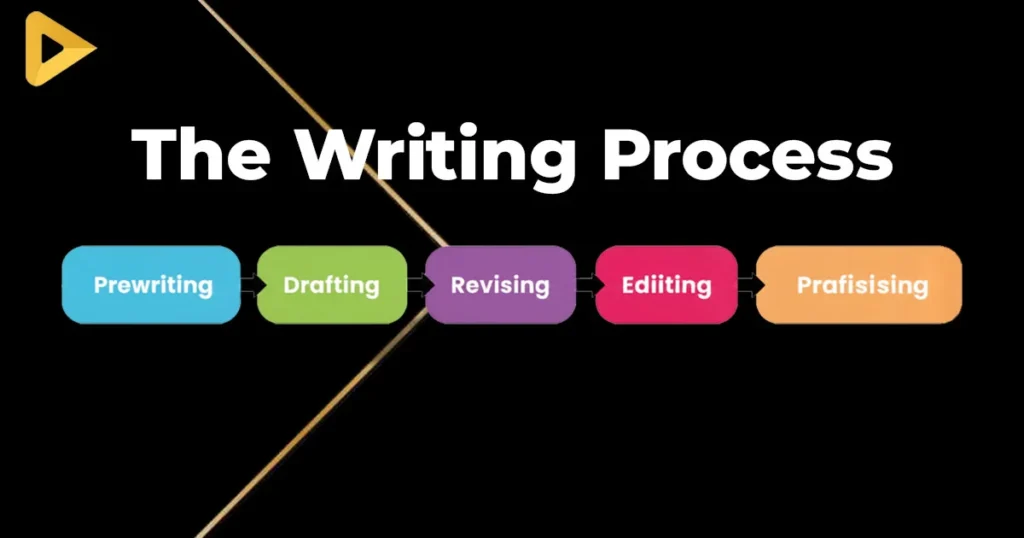
The self‑publishing writing process typically begins with planning your book, continues through writing the first draft, followed by editing and refining, then preparing for publication, launching the book, and finally ongoing promotion to reach readers and build a sustainable career.
2. How do I write a book outline that guides me effectively?
Begin by identifying your book’s core message or story, then break it down into chapters or sections. For each part, list the key points or events you’ll cover. This gives you a roadmap so you know where you’re going and helps avoid writer’s block or drifting off topic during the writing phase.
3. Why should I hire a professional editor for a self‑published book?
Even if you’ve done your best, fresh eyes can catch issues you might miss, such as structural problems, inconsistencies, grammatical errors, and pacing issues. A professional editor raises your book’s quality, improves reader experience, and increases the chances it will be taken seriously by readers and reviewers.
4. What are some effective book editing tips authors can use before publishing?
Start with a self‑edit: check for significant picture issues like structure and flow, then focus on sentence‑level editing (clarity, grammar, consistency), and finally proofread formatting and layout. Use different passes for each phase so you don’t try to do everything at once and miss key problems.
5. What can I do when I’m stuck with writer’s block during my manuscript writing?
Try changing your writing environment to break routine, set smaller incremental goals or do a free‑writing session where you write whatever comes to mind without judgment. These approaches help you move through blocks and maintain progress in the writing phase.