

Setting and achieving goals is a process that every successful person has mastered. Whether it’s business, personal growth, or community-building, effective goal setting strategies are the common denominator that leads people from just wishing principle of success to actually attaining it. But the road to achieving those aspirations doesn’t always feel straightforward. With the proper techniques and mindset, however, you can make that journey smoother, more organized, and ultimately successful.
In this guide, we’ll dive deep into the most effective goal setting strategies that successful individuals use. We’ll explore the SMART goals framework, the science behind overcoming procrastination, how to build consistent habits for goals, and how to measure progress towards success.
Why Goal Setting is Crucial for Success

Goal setting isn’t just a way to track progress; it’s a method of guiding your future. Research by Locke & Latham (2019) on goal-setting theory consistently shows that people who set clear, challenging goals are more likely to achieve them than those who set general or vague intentions. Setting specific goals not only provides motivation but also creates focus, boosts performance, and allows for personal development. The process of goal setting connects the present with a future outcome, making the pathway to success visible and manageable.
The SMART Goals Framework
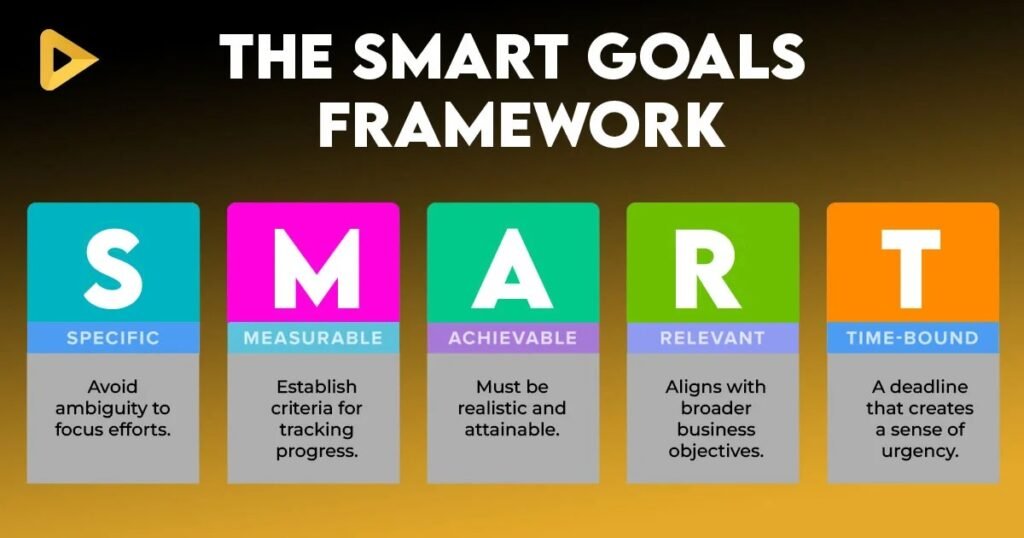
The SMART goals framework is one of the most popular and effective goal-setting methods used worldwide. It helps you break larger goals into actionable steps and ensures they are clear and achievable.
Here’s what SMART stands for:
- Specific: Your goal should be clear and focused, with no ambiguity.
- Measurable: Ensure you have concrete criteria to track your progress.
- Achievable: Your goal should be realistic, considering your current resources and constraints.
- Relevant: Align the goal with your broader objectives and priorities.
- Time-bound: Set a realistic deadline to achieve your goal, creating urgency and focus.
Example: Instead of setting a goal like “I want to get fit,” a SMART goal would be: “I will complete 30 minutes of exercise, five days a week, for the next three months.” This goal is specific, measurable, achievable, relevant, and time-bound.
Take Control of Your Goals Today
Start setting SMART goals and turn your aspirations into real achievements with actionable steps.
Start Setting Goals NowOvercoming Procrastination
Procrastination is one of the most significant barriers to achieving goals. The psychology of procrastination shows that we delay tasks due to discomfort, fear of failure, or a lack of motivation. According to research, breaking tasks into smaller, more manageable steps helps reduce feelings of overwhelm and allows us to start making progress.
To overcome procrastination, follow these strategies:
- Break tasks into smaller chunks: The larger the task, the easier it is to put it off. Break down the big picture into small, actionable steps to make progress seem more manageable.
- Set deadlines: Commit to a deadline for each task, and treat it like a non-negotiable appointment.
- Use the “2-Minute Rule”: If a task takes less than two minutes, do it immediately. This principle can help reduce the mental load and prevent procrastination from taking root.
- Visualize your future success: Studies show that visualizing the result helps individuals overcome hesitation and get started with less resistance.
Building Consistent Habits for Goals
While setting goals is crucial, what separates long-term success from short-lived bursts of productivity is consistency. Building consistent habits for goals turns your aspirations into reality through small, repeated actions. According to research by James Clear, author of Atomic Habits, success is a product of daily habits. The small changes you make each day accumulate over time and lead to significant results.
How to build effective habits:
- Start small: Rather than overwhelming yourself with big changes, start with a single, easy habit that supports your goal. For example, if you’re working toward fitness, start with a 10-minute daily walk.
- Make it automatic: Link your new habit to an existing routine. If you want to drink more water, set a timer to remind yourself every time you take a break.
- Track your progress: Using tools like habit trackers can reinforce positive behavior and show you just how far you’ve come.
Overcome Procrastination and Achieve More
Break through procrastination with proven techniques and begin working toward your goals today.
Beat Procrastination NowMeasuring Progress Towards Success
Tracking progress towards importance of connection for success is essential to keeping your goals on track. When you measure your achievements, you not only get a clear sense of how far you’ve come but also the adjustments needed to keep moving forward. According to a Harvard Business Review article, measuring progress helps maintain motivation and builds accountability. Without measurement, there’s no way to see if you’re on the right path, making adjustments, or learning from mistakes.
Practical strategies for measuring progress:
- Track milestones: Break your goal into smaller milestones and track your progress at each stage. Celebrate small wins along the way to maintain momentum.
- Use tools: Apps like Trello or Notion are excellent for tracking tasks, deadlines, and long-term projects.
- Weekly reviews: Every week, take 10-15 minutes to review what you accomplished, what you didn’t, and how you can improve next week.
Build Consistent Habits for Lasting Success
Create powerful, consistent habits that support your goals and set you up for long-term success.
Build Your Habits TodayConclusion
Turning aspiration into achievement requires a solid foundation built on clear goal setting, consistency, and regular progress tracking. By applying effective goal-setting strategies, such as using the SMART goals framework, tackling procrastination, building habits, and measuring progress, you can move closer to your desired success.
Remember, the journey from aspiration to achievement isn’t a sprint. It’s about consistent, deliberate action and learning along the way. Start with a simple goal today, apply these strategies, and see how the process itself leads to long-term success.
FAQs
1. What are the most effective goal‑setting strategies?
Research shows that using frameworks like SMART goals, setting milestones, and tracking progress dramatically improve outcomes.
2. How do I stop procrastinating and begin working toward my goals?
The key is breaking goals into manageable tasks, using specific deadlines, and creating habits that reduce resistance to starting.
3. How can I measure progress toward my goals and stay motivated?
Tracking progress regularly with measurable criteria and reviewing weekly helps keep the momentum and clarity needed to advance.
Focus keyword
Effective Goal Setting Strategies
Secondary keywords
“SMART goals framework,
Overcoming procrastination,
Building consistent habits for goals,
Measuring progress towards success.”