
A business paradigm shift refers to a fundamental change in how a company operates or how an industry works. This shift can be driven by various factors such as disruptive innovation strategies or embracing technological shifts. It’s a transition from traditional business models to new, innovative approaches that redefine how businesses create value.
In today’s market, companies can no longer rely on old methods. The world is evolving rapidly, and businesses must keep pace. Understanding what a business paradigm shift means for your company and how to create one is crucial for staying competitive.
Disruptive Innovation Strategies – The Driving Force Behind Paradigm Shifts
Disruptive innovation strategies are among the primary catalysts of business paradigm shifts. These strategies involve introducing groundbreaking ideas or technologies that disrupt the current market. These innovations challenge existing norms and often create entirely new industries.
Take Netflix, for example. It disrupted the traditional video rental industry by creating a streaming platform that transformed the way we consume media. Similarly, Uber disrupted the transportation industry by offering an alternative to conventional taxis.
To implement disruptive innovation strategies in your own business, focus on:
- Challenging existing industry standards.
- Introducing new technologies that can dramatically change customer behavior.
- Rethinking your product or service to make it more accessible, efficient, or convenient.
Lead the Next Business Paradigm Shift
Start transforming your business with strategies that disrupt industries and create lasting change.
Start NowAdapting to Market Changes: How to Stay Relevant
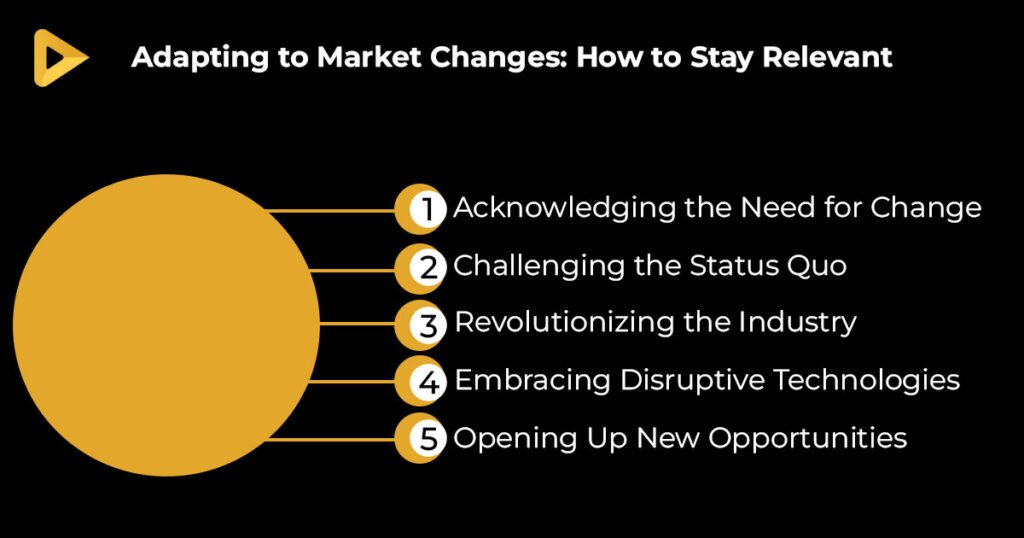
In an ever-changing world, adapting to market changes is essential. Businesses that can’t pivot when needed risk becoming obsolete. Business paradigm shifts often result from market forces that demand new approaches.
To effectively adapt to market changes, businesses must:
- Monitor market trends regularly to anticipate shifts before they happen.
- Be flexible in your business strategy to allow for quick adjustments.
- Listen to customer feedback and be willing to innovate your products and services based on their needs.
Adapting to market changes doesn’t mean abandoning your core business model. Instead, it means evolving to meet new demands and finding ways to leverage emerging trends for continued success.
Embracing Technological Shifts to Drive Success
Embracing technological shifts is one of the most critical aspects of today’s business paradigm shifts. From artificial intelligence to machine learning, emerging technologies are transforming how businesses operate.
The companies that have successfully embraced technological shifts are those that continually look for ways to innovate. Consider Amazon, which revolutionized retail through its e-commerce platform and continues to lead with innovations like Amazon Web Services (AWS) and Alexa. Future-proofing your business through technology ensures long-term success and keeps you ahead of competitors.
Here’s how you can start embracing technological shifts:
- Invest in emerging technologies that can improve your operations or customer experience.
- Stay informed about trends in AI, blockchain, cloud computing, and other tech that are likely to shape the future of your industry.
- Integrate semantic SEO and automation tools to streamline your marketing efforts and improve your search visibility.
Adapt to Market Changes and Stay Ahead
Embrace evolving trends and position your business for sustainable growth and success.
Start NowFuture-Proofing Your Business: Building a Resilient Strategy
Future-proofing your business means creating a strategy that allows you to adapt and thrive in an unpredictable future. It’s about building resilience into your operations so that your business can navigate future market changes and technological shifts. By creating a strategy that embraces change and prepares for the future, you ensure your business can handle whatever disruptions come its way.
To future-proof your business, focus on:
- Disruptive innovation strategies that are flexible enough to evolve as technology and customer needs change.
Building a robust digital presence, investing in automation, and utilizing data analytics to make informed decisions. - Fostering a culture of continuous learning and innovation within your organization.
Real-World Examples of Business Paradigm Shifts
Several companies have successfully navigated business paradigm shifts by embracing new strategies and technologies. These companies didn’t just adapt to market changes. They led the way, creating their own business paradigm shifts that changed their industries forever. Here are a few examples:
- Apple: Originally a personal computer company, Apple became a leader in consumer electronics by embracing technological shifts and introducing disruptive innovations like the iPhone.
- Tesla: Tesla didn’t just create electric cars; it changed the entire automotive industry by demonstrating that electric vehicles can be high-performance and mainstream.
Future-Proof Your Business Strategy Today
Unlock the tools and techniques to future-proof your business and lead innovation in your industry.
Start NowConclusion
Creating and leading business paradigm shifts with Premier Business Press that requires vision, strategy, and the ability to embrace disruptive innovation strategies. If you want your business to remain competitive, start by adapting to market changes, embracing technological shifts, and future-proofing your business.
Are you ready to create your own paradigm shift? Start today by investing in innovation, adopting new technologies, and staying ahead of the curve. The future belongs to businesses that are not afraid to change and lead the way in shaping the next significant shift.
FAQs
What triggers a business paradigm shift, and how do I recognize one?
A business paradigm shift occurs when a company or an industry adopts a fundamentally new approach to value creation, often through Disruptive Innovation, new technologies or changing customer expectations.
How can my company successfully implement disruptive innovation strategies to stay ahead of market changes?
Success comes from identifying emerging technologies, rethinking your business model, and adopting flexible systems that enable you to respond to shifts in market trends and customer behavior.
What steps should a business take to future‑proof itself and navigate technological shifts effectively?
Companies should actively invest in key emerging technologies, cultivate a culture of innovation, monitor market dynamics, and be ready to evolve their strategy. This helps leverage technological shifts rather than be disrupted by them.